For people aged 66 and over
See if you could get £76.70 or £114.60 a week, tax-free
Attendance Allowance is money from the government for people over 66 who need help during the day, or someone to keep an eye on them at night. It is not means-tested: savings, a pension and owning your home make no difference. Six questions, about two minutes.
No name, phone number or email until you have seen your result.
Being straight with you. This claim can be made for nothing — by ringing the DWP yourself, or through Age UK or Citizens Advice. Here is how the free route works. We charge £349 to do the whole thing for you, refunded in full if the claim is refused. We are a private company and we are not the DWP.
The form is the hard part, and we do all of it
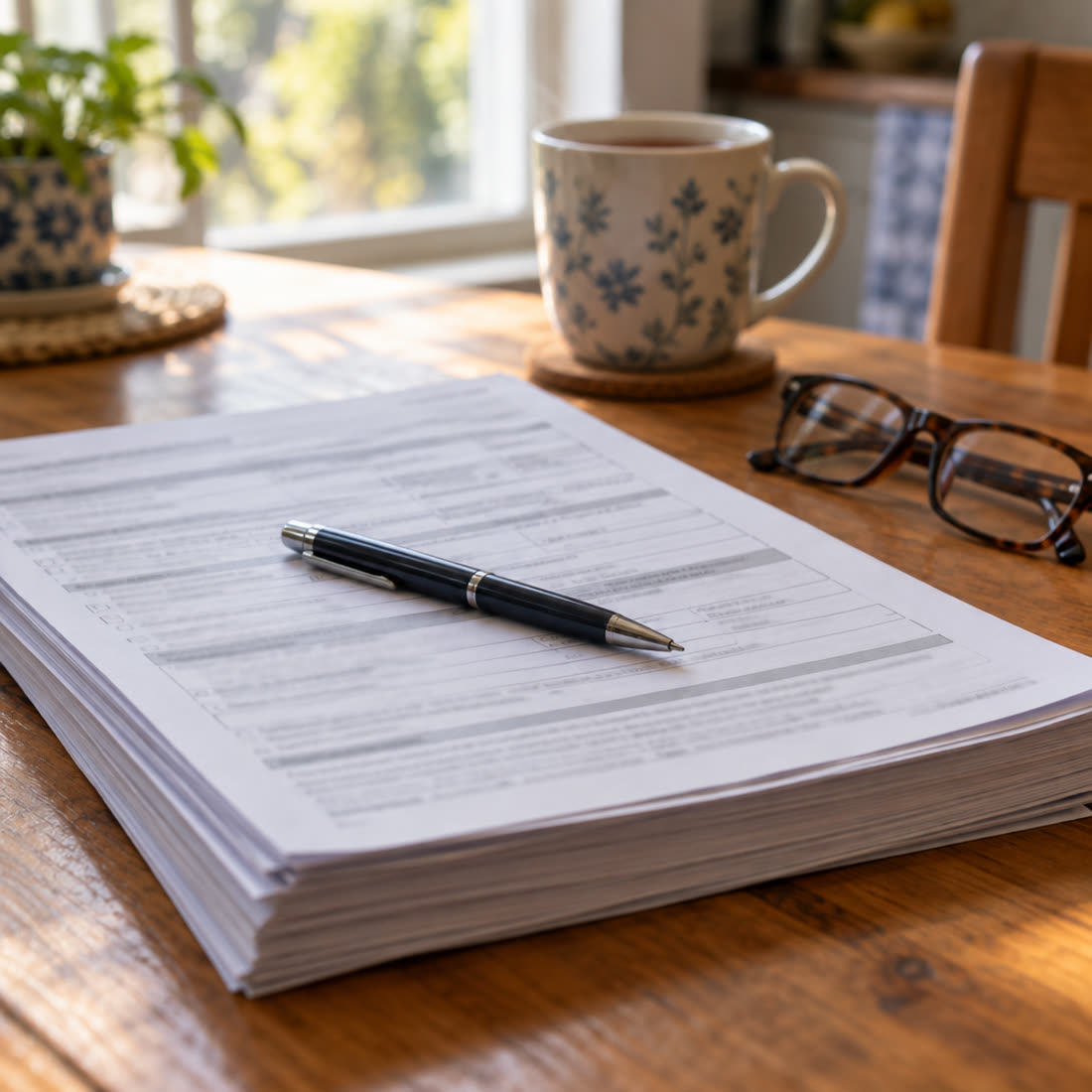
The AA1 claim pack runs to about forty pages, and almost none of it is tick-boxes. It asks, over and over in slightly different words, what an ordinary day is like: getting washed, getting dressed, meals, medicines, the stairs, the nights. There is no score shown, no guidance on how much detail is enough, and no second chance to explain once it has gone.
Most people answer it the way they answer their GP — “oh, I manage” — and that one word is why claims come back refused. Managing by sitting on the edge of the bath, by taking forty minutes to dress, by having toast because cooking is too much: all of that counts, and none of it gets written down.
- One call, about fifteen minutes. We ring at a time that suits and go through the day properly. Nothing to fill in yourself, nothing to look up.
- We write the whole claim. Every page, in the words the DWP scores, with the evidence checklist to go with it.
- You read it before anything moves. It comes to you to check, correct and sign. The claim is in your name and stays yours.
- We tell you exactly what happens next — where to send it, what the DWP usually ring back to ask, and how to answer that honestly.
- If it is refused, you get the £349 back, and we explain how asking for a reconsideration works.
Rates above are those in force from 6 April 2026, checked against gov.uk on 16 September 2026.
The money is yours — nobody checks how it is spent
It is not a care budget and there are no receipts to keep. People use it for taxis so they can still get out, grab rails and a stair lift, a cleaner once a week, a physio, or simply having the heating on all day.
- Both of a couple can claim if each of them needs help — two claims, not one between them.
- Still working? It makes no difference. Neither do savings, a private pension or owning the house.
- No carer needed. The question is whether help is needed, not whether anyone is giving it.
How it works
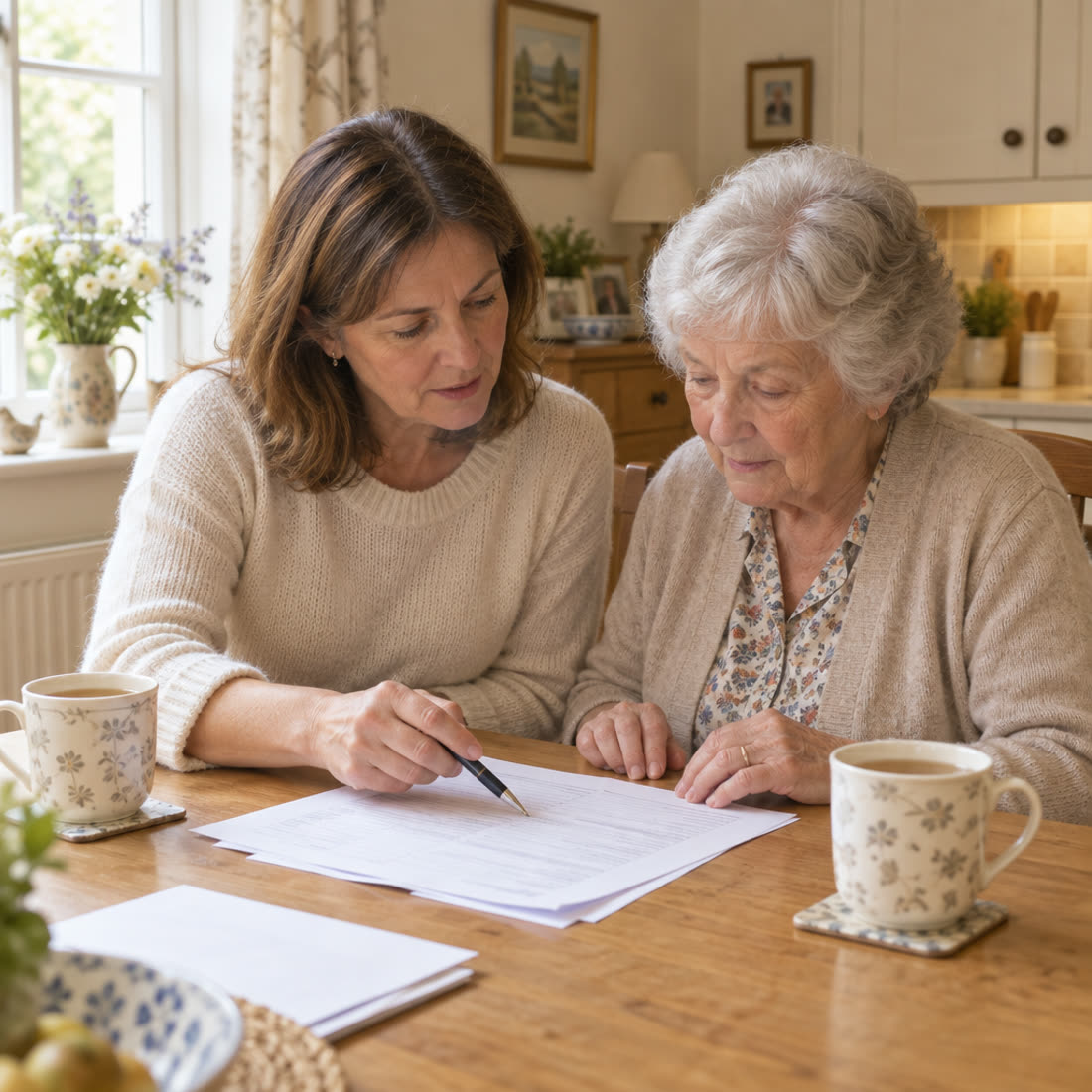
One call, about fifteen minutes, at a time you choose. We ask about an ordinary day — mornings, meals, stairs, nights — and write the answers down in the words the form is scored on. Nothing is sent anywhere until you have read it and signed it.
- Step oneFree check
Six questions here. You see the amount and whether it is worth claiming. Nothing to pay, nothing to sign.
- Step twoWe ring you
A short call about an ordinary day — what is hard, what needs helping with, what happens at night.
- Step threeWe fill the form in
Forty pages, in the words the DWP scores. You get it to read before anything is sent.
- Step fourYou sign and post it
The claim is yours and stays yours. £349, refunded in full if it is refused.